
effective solutions for Dry Eye Disease
Dry Eye Evaluation
Diagnosis and Treatment
Dry Eye
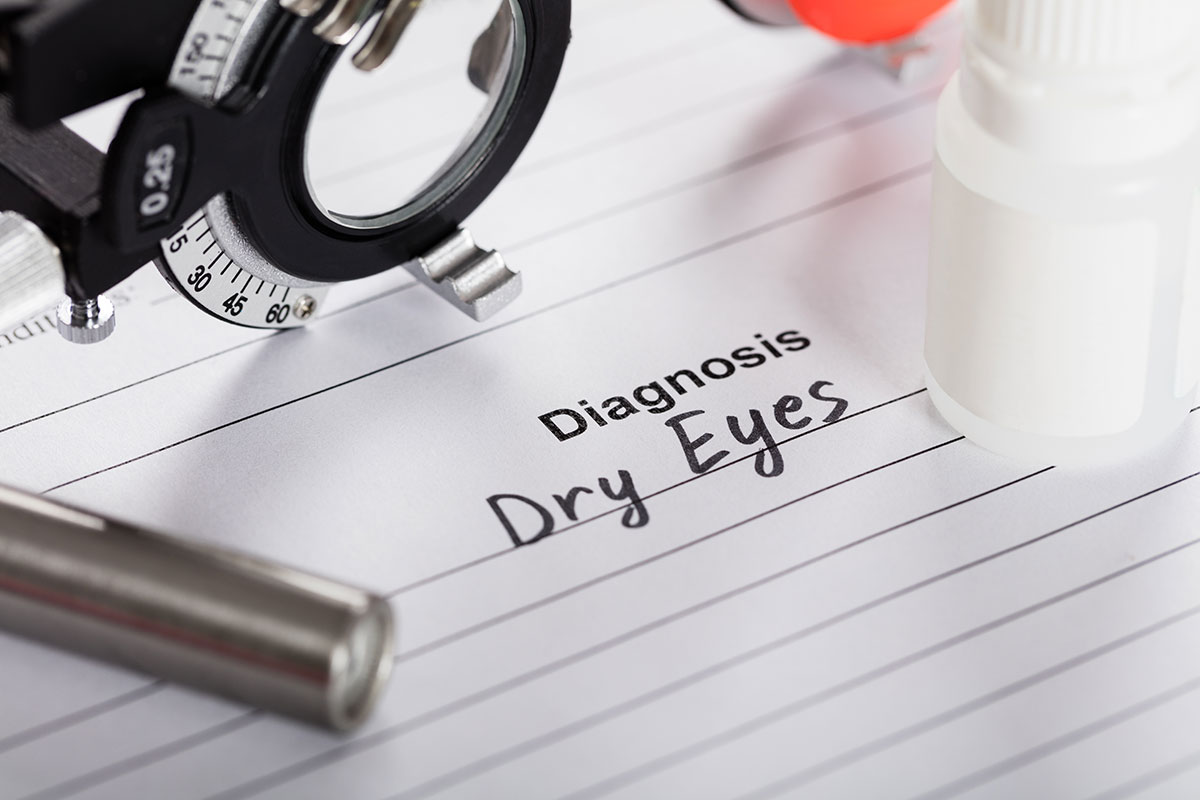
Dry eye syndrome, also known as dry eye disease, is a common condition that occurs when your eyes do not produce enough tears, or the tears evaporate too quickly. It can cause discomfort, redness, irritation, and blurry vision. At Primary Eye Care Associates, we provide comprehensive dry eye treatment for our patients throughout Chicago, Midway, and Garfield Ridge.


Gaining a Better Understanding
of Dry Eye
Are you experiencing uncomfortable and irritating symptoms in your eyes? Do they often feel dry, itchy, or even gritty? If so, you may be one of the many individuals suffering from dry eye syndrome. Watch our video to learn more about dry eye syndrome, its symptoms, and the advanced dry eye treatment we offer at Primary Eye Care Associates.
What are the symptoms of dry eye disease?
Common symptoms of dry eye syndrome include:
- Burning or stinging sensation in the eyes
- Redness
- Sensitivity to light
- Grittiness or a foreign body sensation
- Watery eyes (as a reflex due to dryness)
- Blurred vision or eye fatigue
- Difficulty wearing contact lenses
In addition to causing discomfort, dry eye disease can also lead to more serious problems such as corneal ulcers, infections, and scarring.

What causes dry eye disease?
There are many different reasons people can develop dry eye disease. If you’re experiencing dry eye symptoms, it’s important to get a customized evaluation of the underlying causes to effectively treat it.

Meibomian gland dysfunction
Meibomian gland dysfunction (MGD) happens when the meibomian glands in your eyelids get clogged or blocked. These glands create an oily substance that keeps your eyes lubricated and…
More about MGD
…stops your tears from evaporating too quickly.
When they’re blocked, this oil production decreases or stops altogether, causing an imbalance in your tear film and leading to dry eye symptoms.
MGD is one of the leading causes of dry eye disease and is especially common in people who’ve experienced blepharitis or eyelid inflammation before. If you have MGD, you might feel eye discomfort, redness, grittiness, or a burning or stinging sensation. In more severe cases, MGD can cause thickened, irregular eyelid edges and even lead to the formation of meibomian cysts (chalazia).

Digital eye strain
Staring at computer screens or other digital devices for extended periods can contribute to the development of dry eye symptoms. When we engage in tasks that require focused…
More on Digital Eye Strain
…attention on a screen, such as reading or working, we tend to blink less frequently. The reduced blink rate leads to decreased tear production and distribution across the surface of the eye, resulting in dryness and discomfort.

Demodex mites
Blepharitis and dry eye disease can potentially be caused by an infestation of tiny mites called Demodex. While these mites are typically found on human skin, a large number…
More about Demodex Mites
…on the eyelashes can cause eyelid inflammation, leading to symptoms like redness, itching, and grittiness in the eyes.
This inflammation can also damage the oil glands in the eyelids, resulting in dry eye disease.
Demodex mites are common and usually harmless, but an infestation can occur when their population exceeds normal limits. An infestation of mites can be caused by weakened immunity, genetic predisposition, or excessive oil production which makes the environment more suitable for mites to flourish. To diagnose a Demodex infestation, we typically examine the eyelash under a microscope to detect the presence of the mites.

Cosmetics
Certain ingredients in cosmetics can irritate the eyes, resulting in dryness, redness, and itchiness. These ingredients may include preservatives, fragrances, and specific dyes.
More about Cosmetics
For instance, eye makeup like mascara and eyeliner might contain ingredients that cause irritation and dryness, especially when worn for extended periods.
Cosmetics can also play a role in the development of blepharitis by blocking the oil glands in the eyelids, leading to bacterial overgrowth and inflammation.
Another way cosmetics might contribute to dry eye is by obstructing the tear ducts—the channels responsible for draining tears away from the eyes. This blockage can cause tears to accumulate in the eyes, causing dryness and irritation.

Blepharitis
Blepharitis is a condition where the eyelids become inflamed, causing different symptoms like redness, itching, burning, and a gritty sensation in the eyes. This common issue…
More about Blepharitis
…can also lead to matted eyelashes or cause them to turn inward, potentially resulting in irritation and even infection.
Several factors can contribute to blepharitis, such as bacterial infections, an overgrowth of normal eyelid bacteria, or allergic reactions. It can also be triggered by a blockage in the oil glands within the eyelids, which may result in dry eye disease. Inflammation from blepharitis is believed to damage these oil glands, reducing the production of the oily tear layer that keeps the eyes lubricated. This, in turn, can cause dryness and irritation, worsening the blepharitis and creating a vicious cycle.

Certain medical conditions
Several medical conditions can lead to dry eye disease, including rheumatoid arthritis and Sjogren’s syndrome.

Medications
Dry eyes are also a side effect of certain medications, such as antihistamines and antidepressants.

Environmental factors
Dry eyes can also be caused by environmental factors such as wind, sun, and air conditioning.

Evaluation for dry eye disease
Our experienced optometrist, Dr. Steven Chander, uses the latest diagnostic technology to evaluate patients for dry eye disease. If you are experiencing symptoms, he can diagnose dry eye disease and determine the underlying cause for your specific case.
During a dry eye evaluation, Dr. Chander may perform various tests, including measuring tear production, assessing the quality of your tears, and examining the health of your meibomian glands. He may also use advanced diagnostic techniques, such as meibography, to visualize the glands and identify any issues that could be contributing to your dry eye symptoms.
Meibography
Meibography is a diagnostic imaging method used to examine the meibomian glands in the eyelids. These glands produce the oily layer (the lipid layer) of the tear film that helps keep the eyes lubricated. When these glands become blocked or clogged, it can result in dry eyes.
Meibography is performed by taking an image of the eyelid margins with a special infrared camera. The camera allows us to visualize the meibomian glands and evaluate their size, shape, position, and degree of obstruction. This is important in determining the quality of the oils they are producing.
Meibography is a non-invasive and painless procedure that can be performed right in our Chicago office. It allows for a detailed assessment of the meibomian glands and can help to identify any problems with the glands such as clogging or shrinkage. It can also provide valuable information to aid in the treatment of dry eye disease and meibomian gland dysfunction.

Treatment for dry eye disease
Treatment for dry eye disease depends on the underlying causes. That is why we create personalized treatment plans based on your individual needs. While dry eye can be a chronic condition, our prescribed treatments are designed to help our patients maintain healthy eyes, reduce dryness and discomfort, and prevent vision loss. Some of the common treatment options include:
- Prescription eye drops to combat inflammation
- Treating oil glands
- Nutritional supplements such as omega-3 fatty acids
- Heat therapy
- Blinking exercises or proper eyelid hygiene
- If an infection is causing the issue, low-dose antibiotics may also be prescribed.
For patients who don’t respond to traditional methods, we offer a range of advanced treatment options to address their specific needs and improve overall eye health. Some of these treatments include:
Amniotic membrane transplantation
Amniotic membrane transplantation is an innovative treatment option for individuals suffering from severe dry eye disease. This procedure involves the use of amniotic membrane, which is the innermost layer of the placenta, to promote healing and alleviate symptoms associated with dry eyes.
During the transplantation procedure, a thin layer of amniotic membrane is carefully placed on the surface of the eye. The membrane is obtained from carefully screened donors and processed to ensure safety and effectiveness. It contains essential growth factors, proteins, and cytokines that aid in the healing process.
Amniotic membrane transplantation is typically performed as an outpatient procedure under local anesthesia. The process is well-tolerated by most patients and involves minimal discomfort. After the transplantation, patients may experience temporary blurring of vision or a sensation of having a foreign body in the eye. These symptoms generally subside within a few days as the eye heals.
Autologous serum eye drops
Autologous serum eye drops are a specialized form of treatment for individuals suffering from dry eye disease. These eye drops are derived from the patient’s own blood, making them personalized and tailored to the specific needs of each individual.
The process of creating autologous serum eye drops involves drawing a small amount of the patient’s blood, typically from a vein in the arm. The blood is then processed to separate the serum, which is the liquid portion of the blood containing essential growth factors, proteins, and nutrients that promote healing and nourishment of the ocular surface.
The serum is diluted with a sterile solution to create autologous serum eye drops. These drops are preservative-free and contain natural components that help restore the balance of the tear film, reduce inflammation, and promote overall eye health. We typically recommend autologous serum eye drops for individuals with moderate to severe dry eye disease that has not responded well to other conventional treatments.
Punctal plugs
Punctal plugs, also known as tear duct plugs, are a commonly used treatment option for individuals suffering from dry eye disease. These small devices are inserted into the tear ducts, known as puncta, to block the drainage of tears from the eye. By doing so, punctal plugs help to increase the retention of natural tears on the ocular surface, improving lubrication and relieving the symptoms associated with dry eyes.
We also offer the following treatments for dry eye in our Chicago office:


Schedule a dry eye evaluation in Chicago
Don’t let dry eye syndrome disrupt your daily life. Our team at Primary Eye Care Associates is dedicated to providing effective dry eye treatment tailored to your unique needs. Whether your dry eye symptoms are mild or severe, we are here to help restore your comfort and optimize your eye health.
Contact us today to schedule a dry eye evaluation at our South Side Chicago clinic. Let us help you find relief from dryness, irritation, and discomfort, and improve your overall eye wellness.